Fethiye
Turkey · 10 places
Photo: https://www.flickr.com/photos/astolath/, CC BY 2.0
Fethiye sits where the sea meets the mountains. The place isn’t loud like a city, nor dull like a forgotten village. Instead, it moves at its own pace—one that somehow matches yours. You can linger on the waterfront with tea, watching fishing boats drift in and out, or head into the hills or a quiet cove where the only sound is waves.
The city has history, but doesn’t flaunt it. Once Telmessos, a Lycian city, then Makri under Greek rule, traces of those eras remain in the old quarters. The ancient amphitheater, carved into the hillside, still overlooks the bay. Earthquakes and invasions left scars, yet the city rebuilt each time, keeping its character. Today, Fethiye isn’t a museum. Roman stones stand beside modern cafés and family-run guesthouses, all blending without fuss.
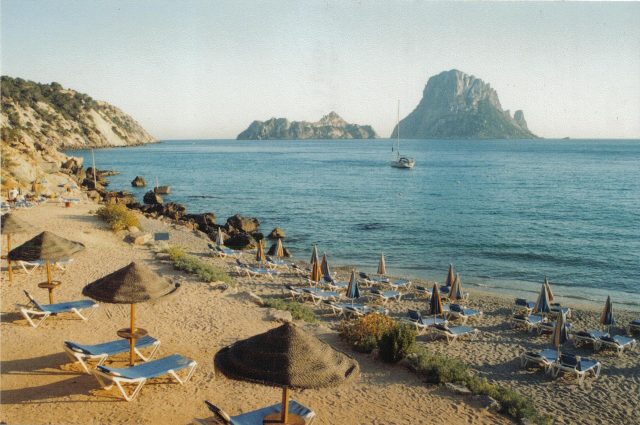
What makes Fethiye different are its bays and islands. Ölüdeniz, with its Blue Lagoon, is the most famous—a stretch of water so clear it looks like glass, framed by sand and pine-covered hills. But there are others. Secluded coves offer quiet escapes. Rocky inlets teem with fish, perfect for swimming. If you want adventure, you can dive in underwater caves, paraglide off Babadağ Mountain, or hike the Lycian Way, a trail that follows the coastline.
The real Fethiye shows itself in small moments. Early mornings at the fish market, when boats unload their catch and the air smells of salt, seafood, and spices. Vendors explain how to grill sea bass or octopus, or which herbs to use. By evening, the waterfront fills with music, the clink of glasses, and the sound of waves as restaurants serve meze and raki. Fethiye doesn’t try to please everyone. It doesn’t need to. The city feels timeless, shaped by trade, conquest, and coexistence.
Stay
0 placesNothing in this category yet — the catalogue is still growing.
All placesPlaces on the map
Marker colour follows the categoryClimate and weather
Detailed weather: Fethiye- Average temperature
- 19 °C
- Precipitation per year
- 885 mm
Average air temperature
°C
11
12
13
16
21
25
28
28
25
20
16
12
Jan
Feb
Mar
Apr
May
Jun
Jul
Aug
Sep
Oct
Nov
Dec