Esztergom
Hungary · 6 places
Photo: see above, CC0
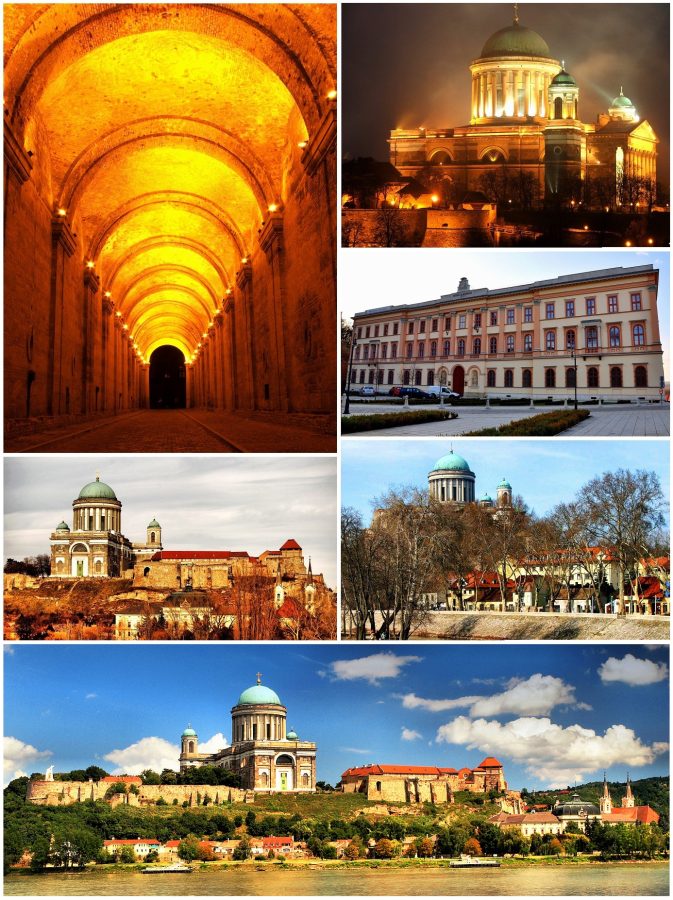
Esztergom feels like a place where history hasn’t just been preserved—it’s still alive. Perched on the banks of the Danube, this is one of Hungary’s oldest cities, a place where the country’s past isn’t just remembered but physically present. The towering Basilica, the largest Catholic church in Hungary, dominates the skyline, visible for miles around, its grandeur a reminder of the city’s former status as the seat of royal and religious power. Yet Esztergom isn’t a museum. It’s a living town where locals sip coffee by the river while tourists wander the cobbled streets of the old quarter, where the weight of centuries coexists with the rhythm of everyday life.
The Danube here isn’t just a river—it’s a border, separating Hungary from Slovakia. The Mária Valéria Bridge, which spans the water, is more than just a crossing; it’s a symbol of reconciliation. Destroyed in 1944, it stood in ruins for decades before being rebuilt in 2001, a quiet testament to the changing relationships between nations. Today, cars and pedestrians move freely between the two countries, and from the Esztergom promenade, the Slovakian side feels close enough to wave at. In summer, the riverbank comes alive with festivals, open-air cinemas, and impromptu gatherings, the water reflecting the lights of both nations long into the evening.
The old town is a maze of narrow streets and hidden courtyards, where every corner seems to whisper stories of the past. Once the residence of Hungarian kings and the heart of political and religious power, Esztergom’s medieval legacy lingers in the fragments of its fortress walls, Gothic churches, and Renaissance palaces. The Várnegyed district, with its 15th- to 17th-century houses and arched arcades, feels like stepping into another era. Walking these streets, it’s easy to imagine royal processions or clerical parades passing by, the echoes of history still faintly audible beneath the hum of modern life.
At the heart of Esztergom stands the Basilica of St. Adalbert, a monument that defines the city in more ways than one. Built in the 19th century on the site of an older cathedral, its sheer scale is breathtaking, but it’s the details that leave a lasting impression—the intricate mosaics, the towering marble columns, the vast organ that fills the space with music during services and concerts. The terrace offers a sweeping view of the Danube and the surrounding countryside, where on clear days, the distant mountains of Slovakia rise on the horizon. Yet the Basilica isn’t just a relic; it’s a living place of worship, where visitors can attend services, explore its history on guided tours, or even experience the magic of candlelit evening concerts.
Beyond its historical landmarks, Esztergom is a city shaped by its river and the landscape around it. The Danube here is broad and serene, its banks lined with forests and vineyards that stretch into the distance. In summer, the water draws people for picnics, swimming in the sheltered coves, or hiking along the trails that wind through the hills. One of the most popular spots is St. Margaret’s Hill, where the view encompasses the entire city and the Danube valley below. Come autumn, the vineyards buzz with activity as the grape harvest begins, and local winemakers proudly share their creations—particularly the crisp white wines the region is known for. The city moves to the rhythm of the river, shifting between quiet reflection and lively celebration, always rooted in the stories of the past.
Eat & Drink
0 placesNothing in this category yet — the catalogue is still growing.
All placesPlaces on the map
Marker colour follows the categoryClimate and weather
Detailed weather: Esztergom- Average temperature
- 12 °C
- Precipitation per year
- 0 mm
Average air temperature
°C
1
3
7
12
17
21
22
23
17
12
6
2
Jan
Feb
Mar
Apr
May
Jun
Jul
Aug
Sep
Oct
Nov
Dec