David
Panama · 8 places
Photo: Wikimedia Commons, CC BY-SA 3.0
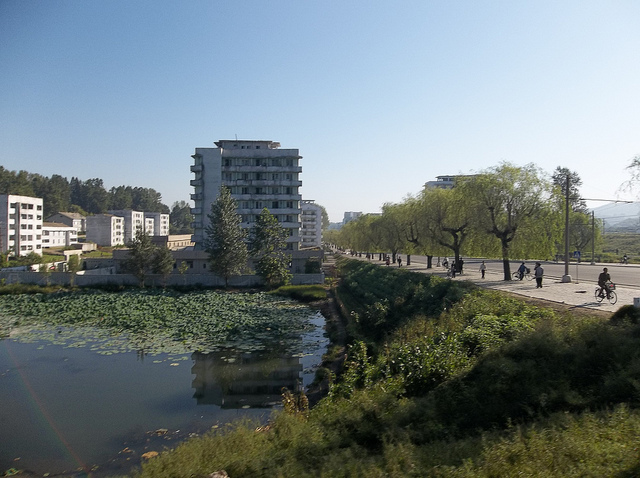
David is the kind of place most travelers overlook. Tucked away in western Panama, not far from the Costa Rican border, it’s a city without crowds, souvenir hawkers, or guides pushing tours. Instead, you’ll find a provincial capital where locals wave hello even if you’re just passing through. It’s a key stop for those crossing between Panama and Costa Rica, but it’s more than a pit stop. David has its own rhythm, and if you give it a chance, it might surprise you.
The heart of the city is Independence Square, a plaza framed by low-slung colonial buildings. By day, old men sip coffee on benches, office workers cut through on lunch breaks, and kids kick a soccer ball between the palms. As evening falls, musicians set up near the fountain, the scent of fried plantains and fresh bread drifts from stalls, and conversation fills the air. Just off the square stands the Cathedral of San José, a 19th-century church with whitewashed walls and a bell tower. Inside, sunlight filters through stained glass in shifting patterns.
David is also a gateway to Panama’s landscapes. From here, it’s a trip to Volcán Barú National Park, where an early morning hike rewards you with a view from the country’s highest point—on clear days, you can see both the Pacific and Atlantic oceans. For something gentler, hot springs bubble in the hills, or you can walk through coffee plantations where farmers harvest beans by hand. Many will show you around, explaining the process over coffee brewed from the beans you’re standing among.
The city reflects everyday Panamanian life. You’ll find small shops selling molas—hand-stitched textiles made by the Guna people—or workshops where artisans weave Panama hats from palm fiber, not the mass-produced versions sold elsewhere. David also comes alive during festivals, like the Feria de San José in March, when streets fill with music, dancing, and costumes. Even outside festival season, the city feels lively, as if the next gathering is always near.
What makes David special is its pace. There’s no need to rush. Spend a morning at a corner café, watching the street wake up. Wander through the market, where vendors sell mangoes, pineapples, and sun-warmed spices. In the evening, eat at a family-run restaurant—try sancocho, a chicken soup with herbs, or corvina fried whole with coconut rice. The food is simple and tied to the land.
David won’t leave you with the same awe as Paris or Rome. There are no grand monuments or luxury resorts here. Instead, there’s a place that doesn’t try to impress. It just is. If you ever find yourself in Panama and want to see the country without tourist gloss, walk its streets, talk to the people, and stay a little longer than planned. You might leave with the quiet satisfaction of having glimpsed something real.
Eat & Drink
1 placePlaces on the map
Marker colour follows the categoryClimate and weather
Detailed weather: David- Average temperature
- 26 °C
- Precipitation per year
- 3619 mm
Average air temperature
°C
27
27
28
27
27
26
26
26
26
26
25
26
Jan
Feb
Mar
Apr
May
Jun
Jul
Aug
Sep
Oct
Nov
Dec