Chengdu
China · 9 places
Photo: Gary Todd from Xinzheng, China, CC0
Chengdu
Chengdu doesn’t rush. Here, time is measured in the slow unfurling of tea leaves, the stroll through alleyways that have seen centuries pass, and conversations that stretch over steaming bowls of noodles. As Sichuan’s capital, it balances progress with tradition—not by resisting change, but by setting its own pace. Skyscrapers rise, highways hum, yet the city’s heart still beats to the rhythm of bamboo groves and mahjong tiles in neighborhood teahouses.
Flavors of a city
Sichuan cuisine defines Chengdu. The city wears its reputation as the cuisine’s home with pride. The flavors are bold: the numbing heat of Sichuan peppercorns, the deep umami of fermented pastes, the slow-building fire of chili oil. A meal here lingers long after the last bite.
In backstreet eateries and grand restaurants, dishes like mapo tofu, dan dan noodles, and hot pot—where diners cook their own ingredients in bubbling broth—are prepared as they have been for generations. But food isn’t the only pleasure. Teahouses, scattered across every district, are where life unfolds slowly. Students study over jasmine tea, elderly locals play mahjong, and strangers talk at shared tables. The tea is often secondary; what matters is the space to simply be.
Green in the city
Nature is never far. Even in the center, the air carries a hint of mountain freshness. Wangjianglou Park’s bamboo groves rustle, drowning out traffic. From high-rises, the city appears as a patchwork of rooftops and tree-lined streets, cradled by the Jinjiang River. In the evenings, families stroll along the promenades, couples share snacks, and neon reflections ripple across the water.
The surrounding mountains offer hiking trails and ancient temples. Yet many find Chengdu’s charm in how it blurs the line between urban and wild.
Pandas and the everyday
Pandas are Chengdu’s most famous residents. The research base on the outskirts lets visitors observe them up close, but for locals, they’re just neighbors—creatures to protect, study, and occasionally grumble about when they disrupt traffic.
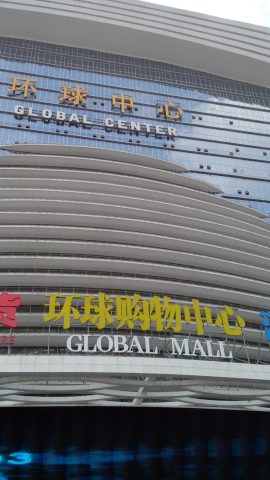
The city balances the global and the hyper-local. Shopping malls stand beside crumbling hutongs where artisans practice centuries-old trades. Markets overflow with spices, textiles, and handicrafts found nowhere else. Here, the past isn’t preserved—it’s woven into the present. A temple might share a block with a startup incubator, and no one bats an eye.
A city at ease
Chengdu’s contrasts don’t clash. Ancient temples and glass-walled office buildings stand side by side, not as rivals but as parts of the same whole. In parks, retirees practice tai chi while young professionals scroll through their phones. The city doesn’t mimic Shanghai or Beijing. It’s content to be itself.
That’s why people stay. Not for grand gestures, but for the quiet promise of a place where you can slow down. Where the best moments aren’t the ones you chase, but the ones that find you when you’re paying attention.
See & Do
9 places


Places on the map
Marker colour follows the categoryClimate and weather
Detailed weather: Chengdu- Average temperature
- 19 °C
- Precipitation per year
- 1052 mm
Average air temperature
°C
8
10
15
20
23
26
28
28
24
18
14
9
Jan
Feb
Mar
Apr
May
Jun
Jul
Aug
Sep
Oct
Nov
Dec