Cheboksary
Russia · 20 places
Photo: Verdlanco, Public domain
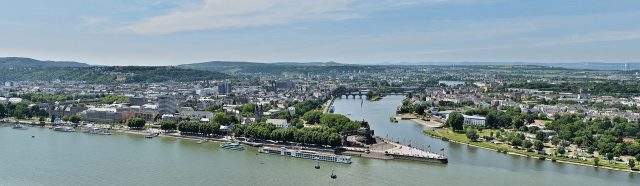
Cheboksary is the kind of city that slips past unnoticed if you’re speeding along the federal highway, too focused on the road ahead to take the turn toward the Volga bridge. But those who do make the detour find something unexpected—a place where time moves at its own pace, unhurried and unpretentious. Perched on the high right bank of the river, the city unfolds in quiet panoramas: the broad expanse of water, the meadows stretching into the distance on the opposite shore, and on clear days, the faint outlines of industrial chimneys on the horizon. It doesn’t demand attention, but for those willing to look closer, it has a way of lingering in the memory.
The Volga has always been more than just a river here—it’s the lifeline that shaped the city’s past. The first written records of Cheboksary date back to the fifteenth century, though archaeologists have uncovered traces of much older settlements along its banks. For centuries, it remained a modest provincial town, known for its grain, honey, and furs, as well as the skill of its silversmiths. The Soviet era brought industry, transforming it into a manufacturing hub, yet somehow the city retained its unassuming character. Today, factories produce electronics and food products, but the streets still carry the easy rhythm of a place where people take their time, where the pace of life is set by the river’s slow current rather than the demands of a metropolis.
Walking through the center of Cheboksary feels like flipping through the pages of a history book where different eras overlap. Soviet-era apartment blocks stand beside nineteenth-century merchant houses, their ornate facades a reminder of the city’s trading past. Modern shopping centers coexist with quiet lanes lined with wooden cottages, their carved window frames still intact. The main square, named after the Republic, is the heart of the city—a place where government buildings, the opera and ballet theater, and a monument to Ivan Yakovlev, the founder of the Chuvash written language, all share the same space. In the evenings, the square comes alive with families strolling, children on rollerblades, and groups of teenagers gathered around the fountain, their laughter blending with the sound of the water.
The Volga embankment is where Cheboksary reveals its soul. It’s not just a promenade but the city’s defining feature, a place where locals and visitors alike come to unwind. In summer, the embankment buzzes with activity—people licking ice cream on benches, couples posing for photos against the river backdrop, and others simply watching the boats glide by. Winter transforms it into a different kind of beauty, with snow dusting the trees and fishermen dotting the frozen river. Nearby, Victory Park stretches along the shore, its war memorial a solemn reminder of the past, while just beyond, the pine forest known locally as Lesopark offers a quiet escape. The scent of pine needles and the crunch of snow underfoot make it easy to forget you’re still within city limits.
Culture here isn’t something confined to museums or theaters—it’s woven into everyday life. The National Museum of the Chuvash Republic offers a deep dive into local history and traditions, while the Museum of Vasily Chapayev, the Civil War hero born nearby, draws those interested in more recent history. The city’s theaters are well-loved, with the opera house staging classics and the drama theater experimenting with contemporary works. Summer brings festivals, open-air concerts, and fairs where you can sample Chuvash specialties like savory pies or honey from local apiaries. Even the food here feels like part of the city’s identity—simple, hearty, and tied to the land.
What makes Cheboksary special isn’t grand monuments or tourist crowds, but the quiet moments in between. It’s the sight of elderly men playing checkers in a sunlit courtyard, the smell of fresh pastries wafting from a neighborhood café, the way people greet each other on the street like old friends. There’s no rush here, no need to perform for visitors. Instead, the city invites you to slow down, to notice the small things—the way the light hits the river at dusk, the sound of church bells on a Sunday morning, the warmth of a stranger’s smile. It’s the kind of place that doesn’t reveal itself all at once, but if you give it time, it leaves you with the feeling that you’ve discovered something rare: a city that’s content to be exactly what it is.
See & Do
All of them


Places on the map
Marker colour follows the categoryClimate and weather
Detailed weather: Cheboksary- Average temperature
- 6 °C
- Precipitation per year
- 615 mm
Average air temperature
°C
-10
-8
-2
7
13
18
21
19
13
6
-1
-8
Jan
Feb
Mar
Apr
May
Jun
Jul
Aug
Sep
Oct
Nov
Dec