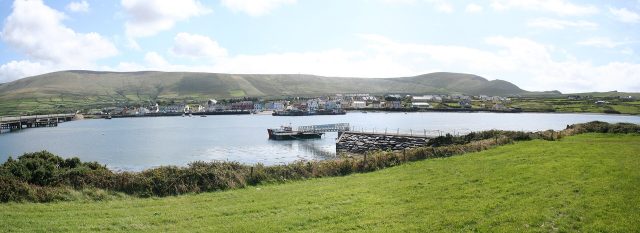
Bujumbura
Burundi · 8 places
Photo: SteveRwanda, CC BY-SA 3.0
Bujumbura sits where the land gives way to Lake Tanganyika, one of the oldest and deepest lakes in the world. The water is so clear you can see the stones resting far below the surface, shifting in the light like scattered coins. The city moves to the rhythm of the lake—waves lapping against the shore, the wind carrying the scent of fish and damp earth, the slow rise of the sun over the distant hills. Life here feels both unhurried and restless, shaped by the water’s presence.
For decades, Bujumbura was the capital of Burundi, a role it lost in 2019 when the government moved to Gitega. But the city still pulses with energy, still holds the weight of its past. The old center is a quiet maze of low-slung buildings from the Belgian colonial era, their facades weathered but standing. Some streets still bear the name Usumbura, a ghost of the city’s former identity. On the outskirts, faded cinemas and cafés hint at a time when artists and thinkers gathered here, though now they’re mostly empty, their stories half-remembered. Bujumbura remains the country’s economic heart—banks, offices, and markets keep it alive, and in the evenings, the streets fill with people heading home or strolling along the waterfront, the air thick with the smell of grilled fish and diesel.
The lake is everything. Locals call it a sea, and it’s easy to see why—the opposite shore vanishes into the haze, the water tastes faintly of salt, and the horizon feels endless. Before dawn, fishermen push their wooden boats into the dark, returning by midday with nets heavy with tilapia, Nile perch, and sardines. By afternoon, the catch is sizzling over charcoal at roadside stalls, sold to passersby wrapped in newspaper. On weekends, the lakeside comes alive. Families spread out picnics on the sand, children wade into the shallows, and bars spill music into the warm night air. The lake doesn’t just border the city; it runs through it, shaping the way people live, work, and dream.
Bujumbura is a place of sharp contrasts. A few blocks from air-conditioned supermarkets and ATMs, you’ll find homes made of mud and thatch, where meals are cooked over open fires and laundry dries on lines strung between trees. There are no tourist trails here, no neatly packaged experiences. The city doesn’t perform for visitors—it simply exists, and if you’re lucky, it lets you step into its rhythm. You might wander through Kamenge Market, where vendors sell everything from fragrant spices to secondhand phones, their voices rising and falling in Kirundi and French. Or you might sit in a café on Independence Square, watching the city wake up, the first minibuses rattling past, women balancing baskets of fruit on their heads. Or you might do nothing at all—just perch on the shore with a bottle of Primus beer, listening to the waves and the distant hum of a city that doesn’t need to explain itself.
Time moves differently here. It stretches and slows, measured not by clocks but by the sun’s arc over the lake, the changing light on the water. Bujumbura doesn’t demand much from those who visit. It doesn’t promise grand adventures or picture-perfect moments. It offers something quieter: the chance to sit still and let the city reveal itself, one unhurried detail at a time.
Eat & Drink
0 placesNothing in this category yet — the catalogue is still growing.
All placesPlaces on the map
Marker colour follows the categoryClimate and weather
Detailed weather: Bujumbura- Average temperature
- 24 °C
- Precipitation per year
- 933 mm
Average air temperature
°C
24
24
24
24
25
25
24
25
25
25
24
24
Jan
Feb
Mar
Apr
May
Jun
Jul
Aug
Sep
Oct
Nov
Dec