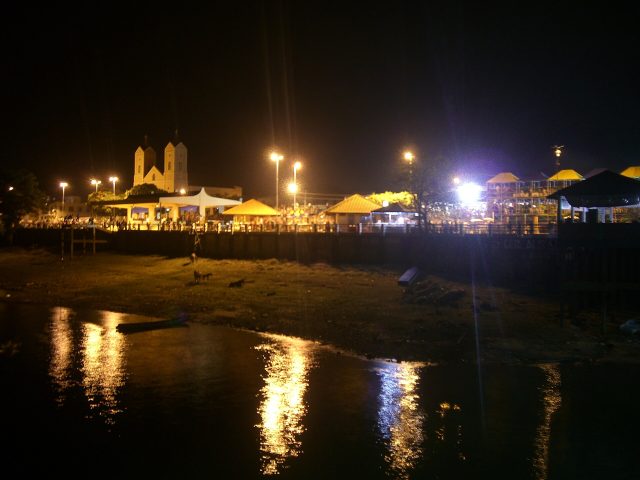
Buenos Aires
Argentina · 12 places
Photo: Raul Senzacqua, CC BY-SA 3.0
Buenos Aires is a city that refuses to stand still. It sprawls across the banks of the Río de la Plata, a place where the energy of a modern metropolis collides with the warmth of a neighborhood you might call home. The streets hum with life—cars honking, vendors calling out, the distant beat of a drum circle or the strum of a guitar from some hidden courtyard. Yet for all its chaos, there’s an unexpected intimacy here. You can lose yourself in the grandeur of a Belle Époque café one moment and stumble upon a tiny family-run bakery the next, where the scent of medialunas still warm from the oven lingers in the air. The city moves to its own rhythm: mornings are for strong coffee and newspapers, afternoons for business and errands, but as the sun dips low, the sidewalks fill with people—friends meeting for drinks, couples strolling arm in arm, the occasional impromptu tango performance spilling out from a dimly lit bar.
At the heart of it all is Plaza de Mayo, a square that has witnessed centuries of history. The pink façade of the Casa Rosada, the presidential palace, dominates one side, its balcony the stage for everything from political speeches to national celebrations. Nearby, the Metropolitan Cathedral stands in quiet contrast, its neoclassical columns a reminder of the city’s colonial past. The square is never empty—tourists snap photos, office workers rush past, and sometimes, if you’re lucky, you’ll catch a protest or a rally, because Buenos Aires has always been a city where people aren’t afraid to make their voices heard. Just a short walk away, Florida Street offers a different kind of energy. This pedestrian thoroughfare is a parade of life: street performers juggle or play Andean pan flutes, artists sketch portraits in minutes, and shoppers weave through crowds browsing leather goods, mate gourds, and souvenirs. It’s chaotic, yes, but in the best possible way.
For a taste of the city’s older soul, San Telmo is the place to wander. Cobblestone streets wind past crumbling colonial mansions, their wrought-iron balconies draped in bougainvillea. Antique shops spill onto the sidewalks, their shelves packed with yellowed postcards, vintage vinyl, and dusty silverware from another era. On Sundays, Plaza Dorrego transforms into a bustling flea market, where you can haggle over everything from handmade jewelry to old tango records. But the real magic happens in the streets, where couples dance tango in the open air, their movements fluid and precise, accompanied by the melancholic notes of an accordion. The neighborhood feels like a time capsule, a place where the past isn’t just preserved—it’s still alive.
Then there’s La Boca, a neighborhood that couldn’t be more different. Here, the air smells of grilled chorizo and saltwater, and the buildings are a riot of color—bright blues, fiery reds, sunshine yellows—painted by local artists and residents who refuse to let their streets fade into gray. The famous Caminito street is a tourist hotspot, lined with souvenir stalls and tango dancers in sequined dresses, but venture a little deeper and you’ll find the real heart of the area. That’s where La Bombonera, the stadium of Boca Juniors, looms over the neighborhood. On match days, the streets erupt in a sea of blue and gold, the roar of the crowd shaking the ground. Football here isn’t just a sport; it’s a religion, a source of pride so fierce it borders on obsession. La Boca is raw, unpolished, and utterly captivating—a reminder that Buenos Aires isn’t just about elegance, but also about passion, grit, and a little bit of rebellion.
Of course, the city isn’t all noise and energy. There are pockets of quiet, too. Palermo’s parks offer a respite from the urban rush, with their manicured gardens, duck ponds, and rose bushes that perfume the air in spring. The Bosques de Palermo is a favorite spot for locals—joggers weave through the trees, families picnic on the grass, and old men play chess under the shade of century-old ombu trees. Nearby, the cafés of Palermo Soho buzz with a different kind of life: writers tapping away on laptops, artists debating over espresso, young professionals scrolling through their phones while their cortados grow cold. It’s a neighborhood that feels both timeless and thoroughly modern, where you can spend an afternoon people-watching from a sidewalk table, soaking in the rhythm of the city.
Buenos Aires doesn’t try to be perfect. It’s messy, sometimes overwhelming, occasionally frustrating—but that’s exactly what makes it real. There’s no single way to experience it. You might fall in love with the grandeur of Recoleta, where the mausoleums of the cemetery feel like an open-air museum, or with the working-class charm of Almagro, where the scent of empanadas drifts from corner bakeries. You might get lost in the labyrinth of San Telmo’s alleys or find yourself swept up in the electric atmosphere of a Boca Juniors match. The city doesn’t ask you to choose. It simply invites you to dive in, to let its contradictions wash over you, and to find your own version of Buenos Aires in the process.
Stay
0 placesNothing in this category yet — the catalogue is still growing.
All placesPlaces on the map
Marker colour follows the categoryClimate and weather
Detailed weather: Buenos Aires- Average temperature
- 18 °C
- Precipitation per year
- 970 mm
Average air temperature
°C
25
24
22
19
15
13
12
13
15
18
21
23
Jan
Feb
Mar
Apr
May
Jun
Jul
Aug
Sep
Oct
Nov
Dec