Weather overview
Buenos Aires in Costa Rica enjoys a tropical climate with distinct wet and dry periods. From January to March, the weather in Buenos Aires is at its driest, offering warm days and cooler nights. This is often considered the most comfortable time to explore the area, with plenty of sunshine and lower humidity.
Starting in April, rainfall gradually increases, marking the transition to the wetter season. By May, Buenos Aires experiences frequent showers, which continue through November. The heaviest rains typically occur in September and October, when downpours can be intense but usually short-lived. Despite the rain, temperatures remain steady, making Buenos Aires a lush, green destination year-round.
If you prefer drier conditions, plan your trip to Buenos Aires between January and March. For those who don’t mind occasional rain and want to experience the region’s vibrant greenery, the months from May to November can still offer rewarding travel experiences.
Temperature
Temperatures in Buenos Aires stay relatively consistent throughout the year, with only minor variations between seasons. Daytime highs average around +26...+31 °C, while nights are cooler, typically ranging from +18...+20 °C. The warmest months are February and March, when temperatures can reach +30.9 °C and +30.7 °C, respectively.
Even during the wetter months, such as June or September, the temperature in Buenos Aires rarely drops below +22 °C, ensuring a warm climate year-round. The coolest nights occur in November, when lows can dip to +19.3 °C, but the days remain pleasant with highs around +25.8 °C.
Travelers to Buenos Aires can expect a stable, warm climate with minimal temperature fluctuations. The slight drop in daytime temperatures during the rainy season is often offset by higher humidity, making the air feel warmer than the thermometer suggests.
| Month | Minimum | Maximum |
|---|---|---|
| January | 17.9 | 28.7 |
| February | 18.7 | 30.9 |
| March | 18.9 | 30.7 |
| April | 19.4 | 29.5 |
| May | 19.9 | 27.8 |
| June | 19.7 | 26.8 |
| July | 19.5 | 26.7 |
| August | 19.2 | 26.5 |
| September | 19.3 | 26.6 |
| October | 19.3 | 26.4 |
| November | 19.3 | 25.8 |
| December | 18.8 | 27.5 |
Precipitation
Buenos Aires experiences a clear wet and dry season pattern. The driest months are January and February, with rainfall averaging 162 mm and 91 mm, respectively. During this period, rain is infrequent, and the region enjoys long stretches of sunshine.
Rainfall increases sharply in April, reaching 290 mm, and peaks between May and November. The wettest months are July and November, with 697 mm and 726 mm of rain, respectively. Showers are often heavy but brief, typically occurring in the afternoons or evenings.
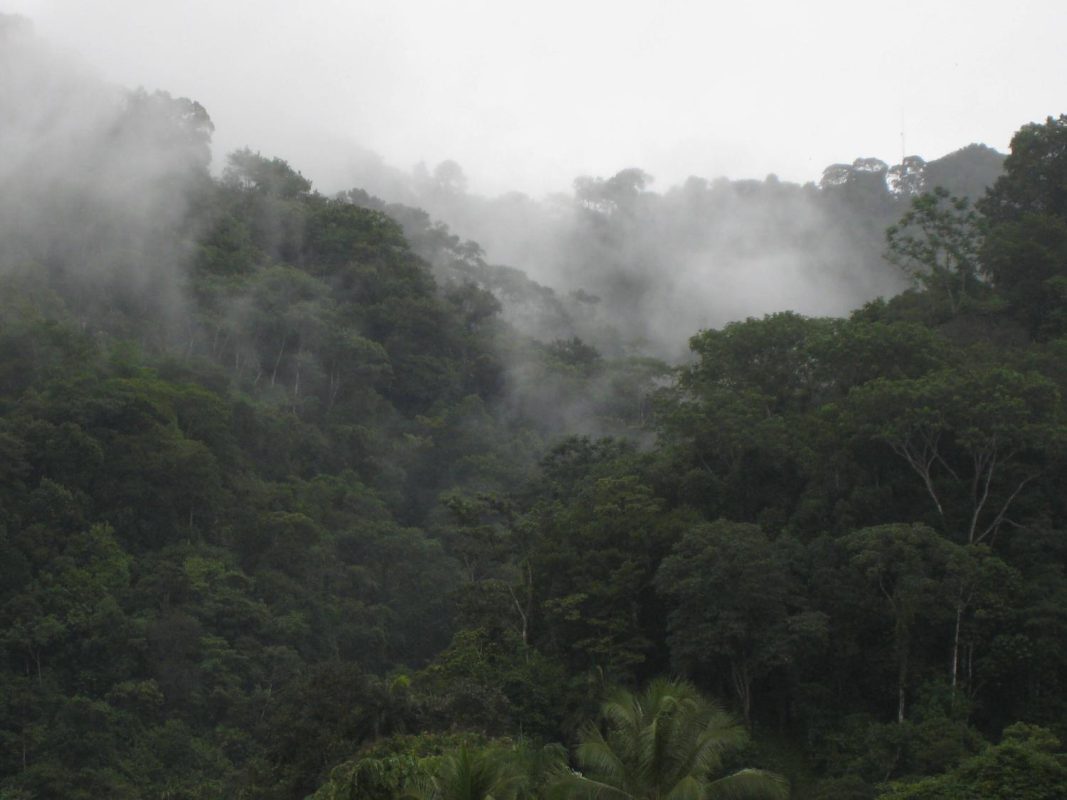
Despite the high rainfall, Buenos Aires remains accessible year-round. The rain contributes to the region’s lush landscapes, making the wet season an appealing time for nature lovers. If you prefer drier conditions, aim to visit between January and March, when rainfall is minimal.
| Month | Precipitation |
|---|---|
| January | 162 |
| February | 91 |
| March | 115 |
| April | 290 |
| May | 530 |
| June | 584 |
| July | 697 |
| August | 546 |
| September | 560 |
| October | 569 |
| November | 726 |
| December | 333 |
What to pack
For a trip to Buenos Aires during the dry season, pack lightweight, breathable clothing to stay comfortable in the warm temperatures. A light jacket or sweater is useful for cooler evenings, especially in January or February, when nights can feel a bit chilly. Don’t forget sunscreen, a hat, and sunglasses to protect against the strong tropical sun.
If you’re visiting Buenos Aires during the wet season, waterproof gear is essential. A compact umbrella or a lightweight rain jacket will help you stay dry during sudden downpours. Quick-drying clothing is ideal, as humidity levels remain high. Waterproof footwear is also recommended, as trails and paths can become muddy.
Regardless of when you visit Buenos Aires, insect repellent is a good idea, particularly during the wetter months when mosquitoes are more active. A reusable water bottle will help you stay hydrated, and a small backpack is useful for day trips to carry essentials like snacks, water, and rain gear.
| Month | Wind speed | Direction |
|---|---|---|
| January | 1 | 183 |
| February | 0.6 | 179 |
| March | 0.9 | 181 |
| April | 0.8 | 181 |
| May | 0.8 | 173 |
| June | 0.5 | 147 |
| July | 1 | 175 |
| August | 0.9 | 166 |
| September | 0.7 | 154 |
| October | 0.4 | 120 |
| November | 0.5 | 159 |
| December | 1 | 188 |