Boma
Democratic Republic of the Congo · 8 places
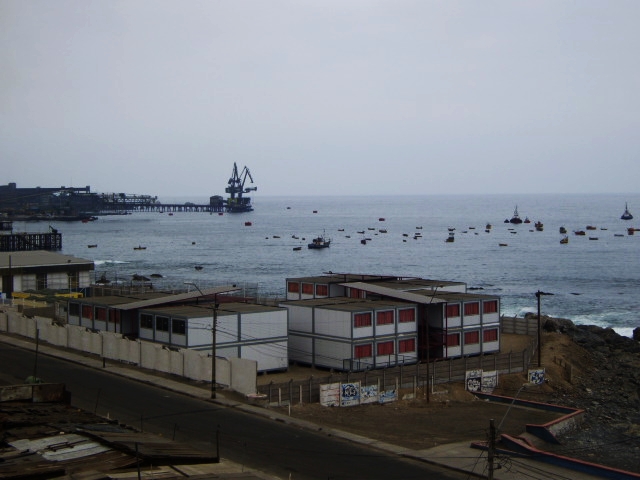
Photo: radiookapi, CC BY 2.0
Boma sits on the banks of the Congo River like a place that has refused to move with the times. Once the capital of the Congo Free State and later Belgian Congo, it carries its past in the peeling facades of colonial buildings—high ceilings, ornate balconies, weathered by decades of tropical rain. The streets are narrow and often dusty, where cars edge past pedestrians and market stalls. There’s no rush here; life unfolds as it has for a century.
The river is the city’s lifeline. It feeds the town, connects it to Kinshasa and the Atlantic, and offers relief from the heat. Barges drift downstream with goods, while fishermen set out at dusk and return by dawn. Along the waterfront, dockworkers unload sacks of cassava and drums of palm oil, their voices mixing with the creak of wooden boats. Sometimes, a larger vessel appears—a reminder that Boma was once one of Central Africa’s busiest ports.
The city is small enough to explore on foot.
In the center, remnants of the colonial era stand beside everyday life: a post office with heavy wooden doors, an old prison now repurposed, a church where murals still cling to the walls. Locals are friendly; visitors are rare enough to draw glances. At a streetside café, you might eat fufu with river fish or roasted plantains. The market sells spices and dried goods from inland. Evenings bring music—guitars, drums, voices in conversation—and the sense that time here moves slowly.
Boma isn’t a place for luxury or nightlife. There are no guided tours, no crowds, no polished attractions. Instead, it offers something else: a glimpse of Africa as it is. The city doesn’t try to impress; it simply exists—with its struggles, its warmth, its rhythm unchanged by the years.
If you’re lucky, you might stumble upon a local celebration or sit by the river at sunset, watching the water turn gold as the light fades. In moments like those, you understand why Boma stays with you.
Eat & Drink
0 placesNothing in this category yet — the catalogue is still growing.
All placesPlaces on the map
Marker colour follows the categoryClimate and weather
Detailed weather: Boma- Average temperature
- 26 °C
- Precipitation per year
- 1933 mm
- Average humidity
- 82 %
- Sunshine hours per day
- 7.5 h
- Time zone
- UTC+1 (GMT+1)
Average air temperature
°C
26
27
27
27
27
25
23
23
25
27
26
26
Jan
Feb
Mar
Apr
May
Jun
Jul
Aug
Sep
Oct
Nov
Dec