- Home
- Bosnia and Herzegovina
- Banja Luka

Banja Luka
Bosnia and Herzegovina · 8 places
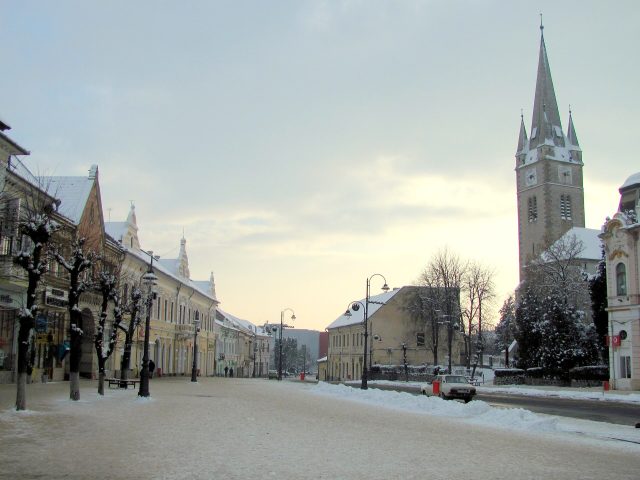
Photo: Saša Knežić, CC BY-SA 4.0
Banja Luka is the kind of city that doesn’t reveal itself all at once. It doesn’t clamor for attention like the more obvious tourist hubs, with their crowded streets and neon signs. Instead, it moves at its own unhurried pace—wide boulevards shaded by old plane trees, locals strolling along the Vrbas River promenade, quiet cafés where an afternoon can slip away over a single cup of coffee. The city feels suspended in time, waiting for visitors to decide when and how they want to explore it.
Its history is woven from the threads of empires. Founded in Roman times, Banja Luka has long been a strategic crossroads in the Balkans. The Middle Ages brought Hungarian rule, followed by the Ottomans, who left behind minarets, hammams, and the winding alleys of the old quarter. Then came the Austro-Hungarians, with their grand boulevards, administrative buildings, and parks, which still shape the city’s rhythm today. The result is a striking blend of styles—where a minaret stands beside a Baroque façade, and an Ottoman mosque shares the skyline with an Austrian villa.
At the heart of Banja Luka lies Kastel Fortress, a silent witness to centuries of history. Perched on the banks of the Vrbas, its sturdy walls and towers have endured wars and sieges. Today, the fortress is a place where the past lingers, especially at dusk, when the setting sun paints the river in gold and the lights along the waterfront flicker to life. Nearby, Petricevac Park is a favorite spot for locals, with its leafy paths and a monument to Petar Kočić, the Bosnian writer and activist whose name also graces the city’s library.
Green spaces define Banja Luka. Parks and tree-lined squares cover much of the city, and the riverside promenades stretch for miles. Even in summer, the shade keeps the heat at bay, while autumn turns the city into a canvas of red and gold. Mladen Stojanović Park, named after a Yugoslav partisan hero, is particularly lovely, with its small lake, arched bridges, and secluded gazebos—perfect for reading or simply watching the world go by. On weekends, families gather here for picnics, and cyclists weave through the paths.
Food in Banja Luka is an unhurried affair, much like everything else. Restaurants and cafés serve dishes rooted in tradition—ćevapi, lamb pilaf, flaky pies stuffed with cheese and spinach, and Bosnian coffee brewed in a *džezva*. Local beer, crafted using old methods, is a point of pride. In recent years, a few modern eateries have emerged, where young chefs reimagine Bosnian cuisine with creative twists. Yet even in these trendier spots, the warmth of home cooking remains.
Banja Luka doesn’t try to be like other cities. It doesn’t chase tourists or put on a show. There’s no rush here, no forced hospitality, no crowds jostling for space. Instead, there are quiet corners where the real Bosnia reveals itself—a place where cultures, traditions, and eras have layered into something unique. The city doesn’t shout about its beauty, but if you look closely, it’s there in every stone, every bend of the river, every smile from a local passing by.
Stay
0 placesNothing in this category yet — the catalogue is still growing.
All placesPlaces on the map
Marker colour follows the categoryClimate and weather
Detailed weather: Banja Luka- Average temperature
- 13 °C
- Precipitation per year
- 920 mm
- Sunshine hours per day
- 6.1 h
Average air temperature
°C
2
6
9
13
17
23
24
24
18
13
8
4
Jan
Feb
Mar
Apr
May
Jun
Jul
Aug
Sep
Oct
Nov
Dec