- Home
- Central African Republic
- Bangasu

Bangasu
Central African Republic · 7 places
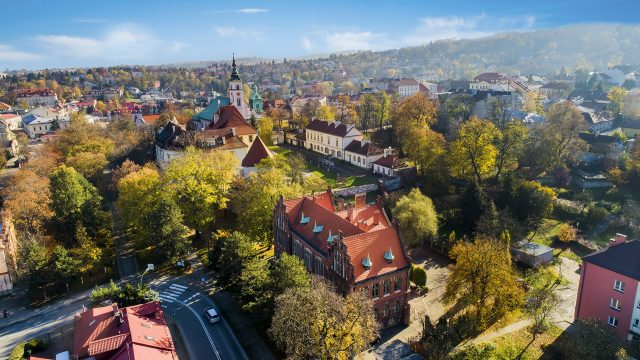
Photo: Alexsegrelles, CC BY-SA 3.0
Bangassou is one of those places that rarely makes it into guidebooks, and that’s precisely what makes it special. Tucked along the banks of the Ubangi River, it feels like a corner of Africa untouched by the rush of modern cities. There are no crowds of tourists, no vendors aggressively hawking souvenirs, no carefully staged photo ops. Instead, the streets are quiet, shared with wandering goats and shaded by sprawling mango trees whose branches stretch over the dusty roads. Life here moves at its own pace, dictated by the river and the seasons—lush and green during the rains, parched to ochre in the dry months, when even the air thickens with dust.
The city doesn’t have grand monuments or world-class museums, and that’s part of its charm. Bangassou is a place where history isn’t locked behind glass but woven into everyday life. Crumbling colonial buildings from the French era stand alongside traditional mud-and-thatch huts, while the central square remains a gathering spot, anchored by a long-broken fountain that still serves as a meeting point. There are no tourist trails here, just the freedom to wander and watch life unfold as it has for generations. Small shops sell everything from fresh pineapples to handmade clay pots, and on the outskirts, women wash clothes in the river just as they’ve done for decades.
The Ubangi isn’t just a river—it’s the lifeblood of the city. It feeds, connects, and sustains Bangassou, with boats ferrying people and goods along its waters while fishermen cast their nets daily, returning with the day’s catch to sell at the market. During the rainy season, the river swells, flooding lowlands and turning the city into an island, accessible only by water. Locals treat the Ubangi with a mix of reverence and caution—it gives life but demands respect. In the evenings, families gather on its banks to escape the heat, and children splash in the murky shallows, ignoring the warnings of their elders.
This isn’t a place for those seeking the usual kind of adventure. There are no safaris, no luxury hotels, no nightclubs. What Bangassou offers instead is something rarer: authenticity. The city doesn’t perform for visitors; it simply exists, on its own terms. At open-air cafés, you can try local dishes—spicy game stew, fried cassava, or fish pulled from the river that morning. If you’re lucky, you might catch the sound of traditional music drifting from a courtyard, where drums and guitars keep the rhythm long into the night.
Of course, Bangassou isn’t without its challenges. Infrastructure is basic, and the country’s political instability occasionally makes itself felt. But those who come here aren’t looking for comfort or predictability—they’re searching for something real. And in that, Bangassou delivers. Maybe that’s why the few travelers who make it this far often say it leaves a deeper impression than any overhyped destination. There’s nothing staged here, nothing artificial—just the heat, the dust, and the quiet warmth of people who aren’t used to visitors but are happy to share what they have.
See & Do
7 places
Places on the map
Marker colour follows the categoryClimate and weather
Detailed weather: Bangasu- Average temperature
- 27 °C
- Precipitation per year
- 936 mm
- Average humidity
- 64 %
- Sunshine hours per day
- 9.6 h
- Time zone
- UTC+1 (GMT+1)
Average air temperature
°C
28
30
29
28
28
26
25
24
25
25
26
27
Jan
Feb
Mar
Apr
May
Jun
Jul
Aug
Sep
Oct
Nov
Dec