- Home
- Tajikistan
- Balkh

Balkh
Tajikistan · 8 places
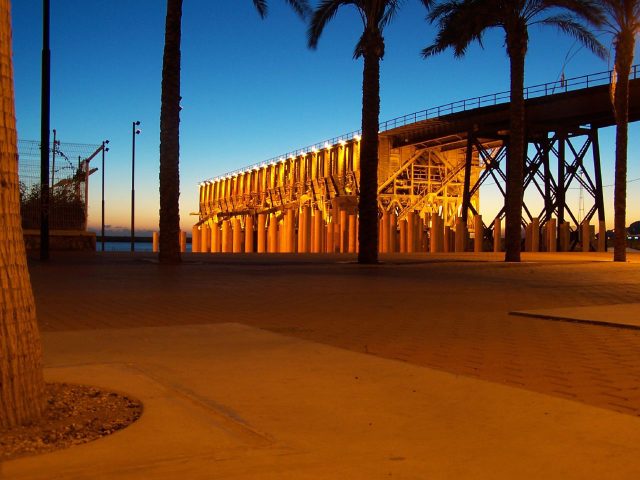
Photo: Bertramz, CC BY-SA 3.0
Balkh
Balkh is a city where time has settled into the earth over thousands of years. In the fertile valley of northern Tajikistan, the Balkh River winds through fields of cotton and wheat. It has been a crossroads of empires, religions, and ideas. The Greeks called it Bactra, the capital of a kingdom in Central Asia. Later, it became a center of Buddhist learning before Islam took root, leaving behind scholars, poets, and mystics. Alexander’s armies, Arab caliphates, and Mongol hordes passed through, but Balkh endured.
The streets are narrow, lined with clay houses that absorb the day’s heat and release it at night. The bazaars move with daily life: vendors sell pomegranates and dried apricots, weavers display carpets, donkeys clatter on cobblestones. Mosques with weathered minarets rise above the skyline, their domes catching the light at dawn and dusk. The city’s history lingers in crumbling walls, in names carved into stone, in stories told by old men sipping tea in roadside chaikhanas.
In the 10th century, the Samanid dynasty revived Persian culture here. Avicenna and Rudaki worked in Balkh. The Mongols destroyed neighborhoods and burned libraries, but the city did not vanish. It shrank, preserving its past in ruins of fortresses and Buddhist stupas on the outskirts. The tomb of Khoja Nasreddin, the trickster-sage of Central Asian folklore, attracts pilgrims and storytellers. No one knows if he was real, but in Balkh, the line between legend and history blurs.
The city does not cater to tourists. There are no guided tours or souvenir shops. Instead, you find a place that moves at its own pace. A conversation with a farmer in a sunlit courtyard, fresh bread from a tandoor, children playing near a 12th-century mosque—these moments happen without planning. Summers are hot, but spring and autumn bring softer light, painting the valley green and gold. The mountains on the horizon remind you how fragile human settlements are, yet Balkh remains.
If you come to Balkh expecting spectacle, you may leave disappointed. But if you slow down, the city reveals itself. You might trace a faded fresco in a ruined madrasa or watch the sunset from a caravanserai, the air thick with wild thyme. Here, the past is not something you visit. It is something you breathe.
Stay
0 placesNothing in this category yet — the catalogue is still growing.
All placesPlaces on the map
Marker colour follows the categoryClimate and weather
Detailed weather: Balkh- Average temperature
- 18 °C
- Precipitation per year
- 324 mm
- Sunshine hours per day
- 6.1 h
Average air temperature
°C
5
8
14
19
24
29
30
27
23
17
10
6
Jan
Feb
Mar
Apr
May
Jun
Jul
Aug
Sep
Oct
Nov
Dec