- Home
- Afghanistan
- Bagram

Bagram
Afghanistan · 7 places
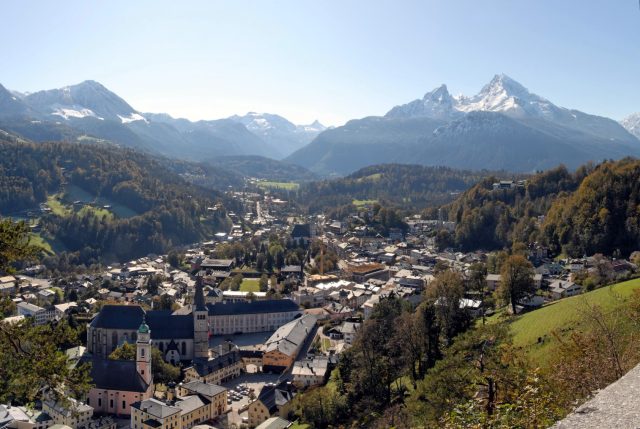
Photo: JE at English Wikipedia, CC BY 3.0
Bagram sits quietly in the Panjshir Valley, a place where the past lingers in the dust of unpaved roads and the crumbling stones of forgotten empires. Here, history feels tangible—where Alexander the Great’s armies once marched, and where Silk Road caravans paused, carrying spices, silk, and ideas between East and West. Today, the town moves at its own pace, its narrow lanes lined with mud-brick houses and teahouses where men gather over cups of green tea.
The Ruins of Ancient Bagram
The archaeological site on the town’s edge has uncovered coins, pottery, and fragments of grand structures from Bactria. The fortress, half-collapsed, still stands with its towering walls and battered ramparts. Beyond the ruins, Buddhist stupas and the remnants of temples dot the landscape, alongside irrigation channels that have watered the valley for centuries.
Farmers still use these channels today.
Daily Life
The town is small, its rhythm set by the seasons. Most of its people are Pashtun, working the land to grow wheat, corn, and fruit. There are no grand markets or crowds—just the quiet persistence of a way of life that has endured for generations.
In the mid-20th century, Bagram became a Soviet military base, and later, a staging ground for international forces. The traces of that time remain in the landscape and in the memories of those who lived through it.
To walk its streets is to step into layers of time. The past isn’t just remembered—it’s in the wind that sweeps across the fields and the mountains that have watched over it all.
Eat & Drink
0 placesNothing in this category yet — the catalogue is still growing.
All placesPlaces on the map
Marker colour follows the categoryClimate and weather
Detailed weather: Bagram- Average temperature
- 16 °C
- Precipitation per year
- 238 mm
Average air temperature
°C
3
5
11
16
20
27
28
26
23
17
11
6
Jan
Feb
Mar
Apr
May
Jun
Jul
Aug
Sep
Oct
Nov
Dec