Arnoún
Lebanon · 7 places
Photo: david55king, CC BY 2.0
Arnoun is one of those places that slips under the radar, a quiet town in southern Lebanon where time moves at its own unhurried pace. Tucked into the foothills of the Lebanese mountains, it feels suspended between past and present—narrow streets winding between stone houses with terracotta roofs, small squares where old men sip coffee in the shade of ancient trees. The air carries the scent of olive groves, spices, and fresh bread baking in wood-fired ovens. There are no grand hotels or tourist traps here, just the steady rhythm of daily life, where the biggest event might be the evening call to prayer echoing from the minaret or the laughter of children playing in the alleyways.
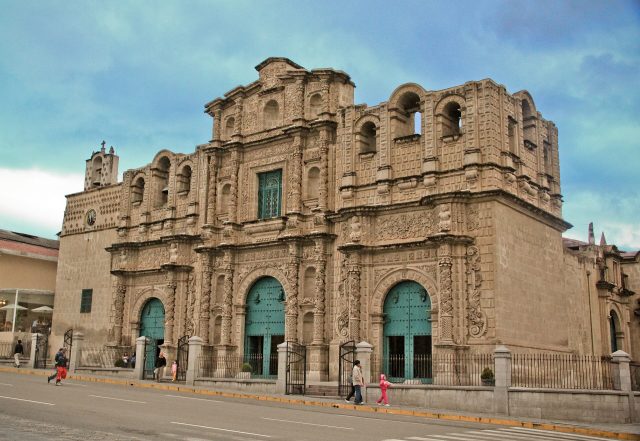
The town’s history is layered like the sediment of the land itself. Phoenicians, Romans, Byzantines, and Ottomans all left their mark, though it’s the Ottoman era that lingers most visibly in the architecture. Many of the houses still feature intricate wooden balconies and inner courtyards designed to keep out the summer heat, their thick walls and high ceilings a testament to centuries of practical wisdom. In the center of town, a modest mosque stands beside the remnants of Roman baths, a quiet reminder that this place has seen empires rise and fall. Nearby, a few weathered stones and arches are all that remain of what was once a bustling public space, now half-swallowed by the earth.
Beyond the town, the landscape unfolds into something wilder. A short drive away, the Litani River carves its way through rocky gorges, forming natural pools where the water runs so clear you can see the pebbles beneath the surface. On weekends, families spread out picnics under the trees, while hikers follow trails that lead to abandoned villages or caves tucked into the hillsides. There are no crowds here, no signs pointing the way—just the sound of the wind through the grass and the occasional bleat of a goat from a distant pasture. The further you go, the more the land feels untouched, as if the modern world hasn’t quite reached these slopes.
Life in Arnoun moves to the rhythm of the seasons. The morning market is where you’ll find the day’s catch of fresh vegetables, briny olives, and tangy local cheese, while in the evenings, small family-run eateries serve up dishes that haven’t changed in generations—crispy kibbeh, herb-laden fattoush, or fish grilled over charcoal until the skin crackles. The people here are warm but not intrusive; they’ll share stories if you ask, offer directions with a smile, but won’t insist on keeping you company. There are no luxury resorts, just a handful of guesthouses where the rooms are simple and the hospitality is genuine.
This isn’t a place for those who crave nightlife or beachside lounging. Arnoun doesn’t try to impress—it simply exists, as it has for centuries, with its olive groves and mountain breezes, its half-forgotten ruins and unhurried conversations. Those who come here often find themselves returning, drawn back by the quiet, the scent of wild thyme after rain, the way the light slants across the hills at dusk. It’s the kind of place that lingers in your memory long after you’ve left, not because of anything grand it offers, but because of the way it makes you slow down and pay attention.
Eat & Drink
0 placesNothing in this category yet — the catalogue is still growing.
All placesPlaces on the map
Marker colour follows the categoryClimate and weather
Detailed weather: Arnoún- Average temperature
- 17 °C
- Precipitation per year
- 426 mm
Average air temperature
°C
7
8
11
16
20
23
25
24
23
19
14
10
Jan
Feb
Mar
Apr
May
Jun
Jul
Aug
Sep
Oct
Nov
Dec