Almería
Spain · 8 places
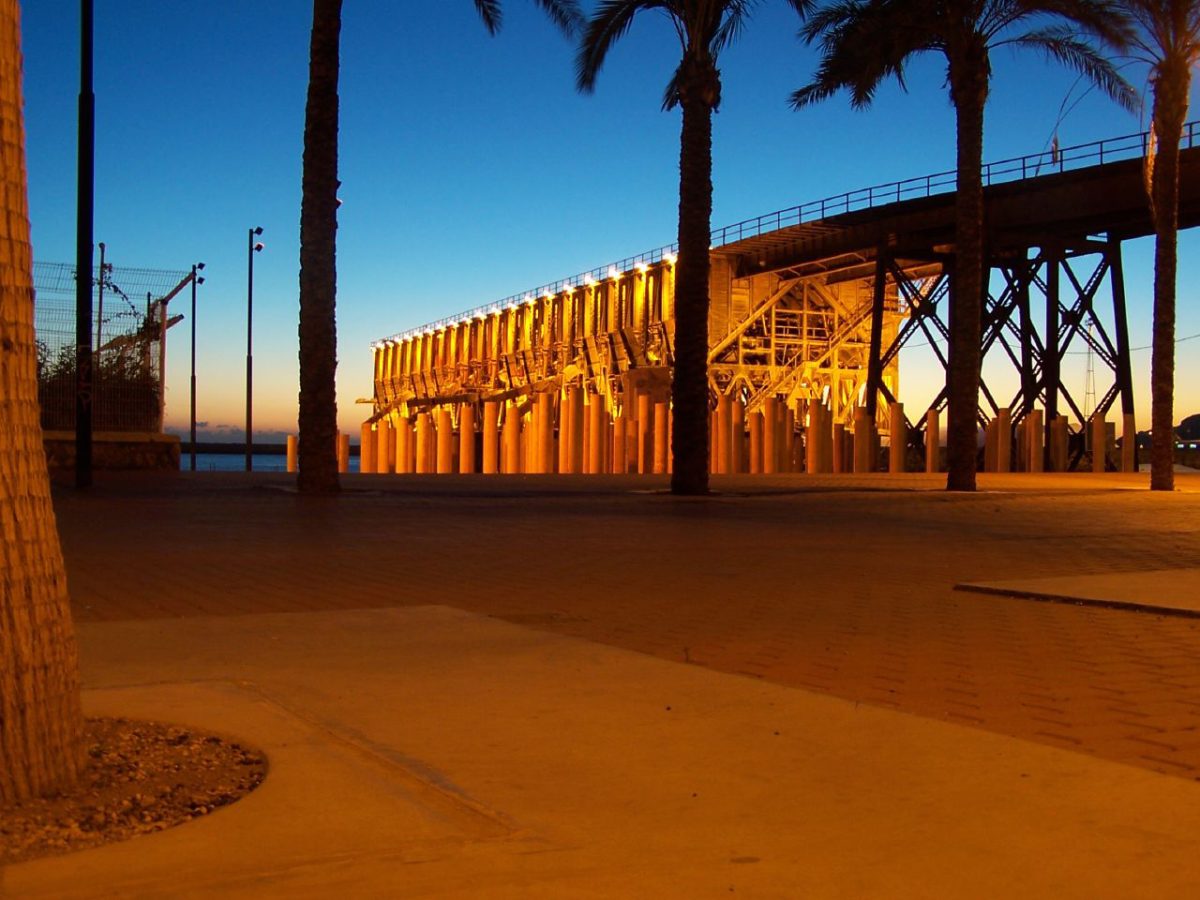
Photo: David Caparrós Lorenzo, CC BY-SA 3.0
Almería
Almería is a city where the sun doesn’t just shine—it sets the rules. The light here is dry and intense, yet it softens the edges of whitewashed walls and casts long shadows across cobblestone streets. Summers often exceed thirty degrees, while winters stay mild, rarely dropping below fifteen. Rain is so scarce it feels like an occasion. The city sits at the foot of the Sierra de Gata mountains, stretching toward the Mediterranean, as if watching for ships on the horizon. It moves at its own pace, a rhythm you notice in the winding alleys of the old quarter.
The city’s history is written in its stones. Founded by the Moors in the 10th century, Almería became one of Al-Andalus’s most important ports. The Alcazaba fortress stands as proof—its walls have seen Arab rulers, Christian kings, and pirates who tried to take the city. Today, the fortress is more than a monument. Walk its paths, look out over the sea, and you’ll see the same view medieval guards did: white houses tumbling down hills, the Mediterranean stretching beyond.
Almería blends old and new without effort. There are no tourist crowds, only the routines of daily life—bars where locals drink wine and talk, markets stacked with seafood and fruit, plazas where elderly men play dominoes under palm trees. The city doesn’t rush, but it isn’t sleepy either. Fishing boats return to the harbor, families walk along the waterfront, and in the old quarters, some craftsmen still shape clay as they did centuries ago.
The landscapes around Almería are some of Europe’s most dramatic. The Tabernas Desert, half an hour away, is the continent’s only true desert. Old film sets from spaghetti westerns remain, and you can ride horseback through the same trails where actors once filmed. Farther out, the Sierra Nevada mountains offer skiing in winter and cool gorges in summer. But the coastline is just as compelling—long, quiet beaches where the water is so clear you can see the sand below. You might spend a day there without seeing another person.
Almería doesn’t try to impress. There are no luxury resorts or grand attractions, just a place that exists on its own terms. Visitors often find themselves slowing down, realizing that travel isn’t about checking off sights. It’s about letting days unfold, noticing the way light changes over the sea, or how the scent of salt lingers in the air after sunset.
Stay
0 placesNothing in this category yet — the catalogue is still growing.
All placesPlaces on the map
Marker colour follows the categoryClimate and weather
Detailed weather: Almería- Average temperature
- 20 °C
- Precipitation per year
- 192 mm
- Sunshine hours per day
- 8.9 h
Average air temperature
°C
13
14
15
17
21
24
27
28
25
21
17
14
Jan
Feb
Mar
Apr
May
Jun
Jul
Aug
Sep
Oct
Nov
Dec


